tertium non data
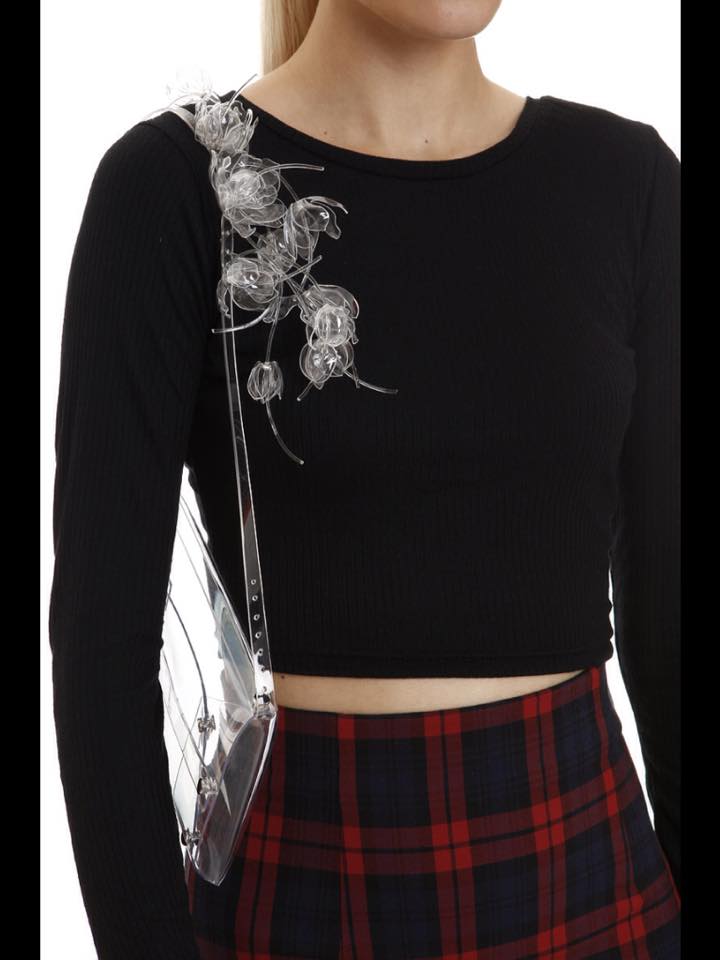
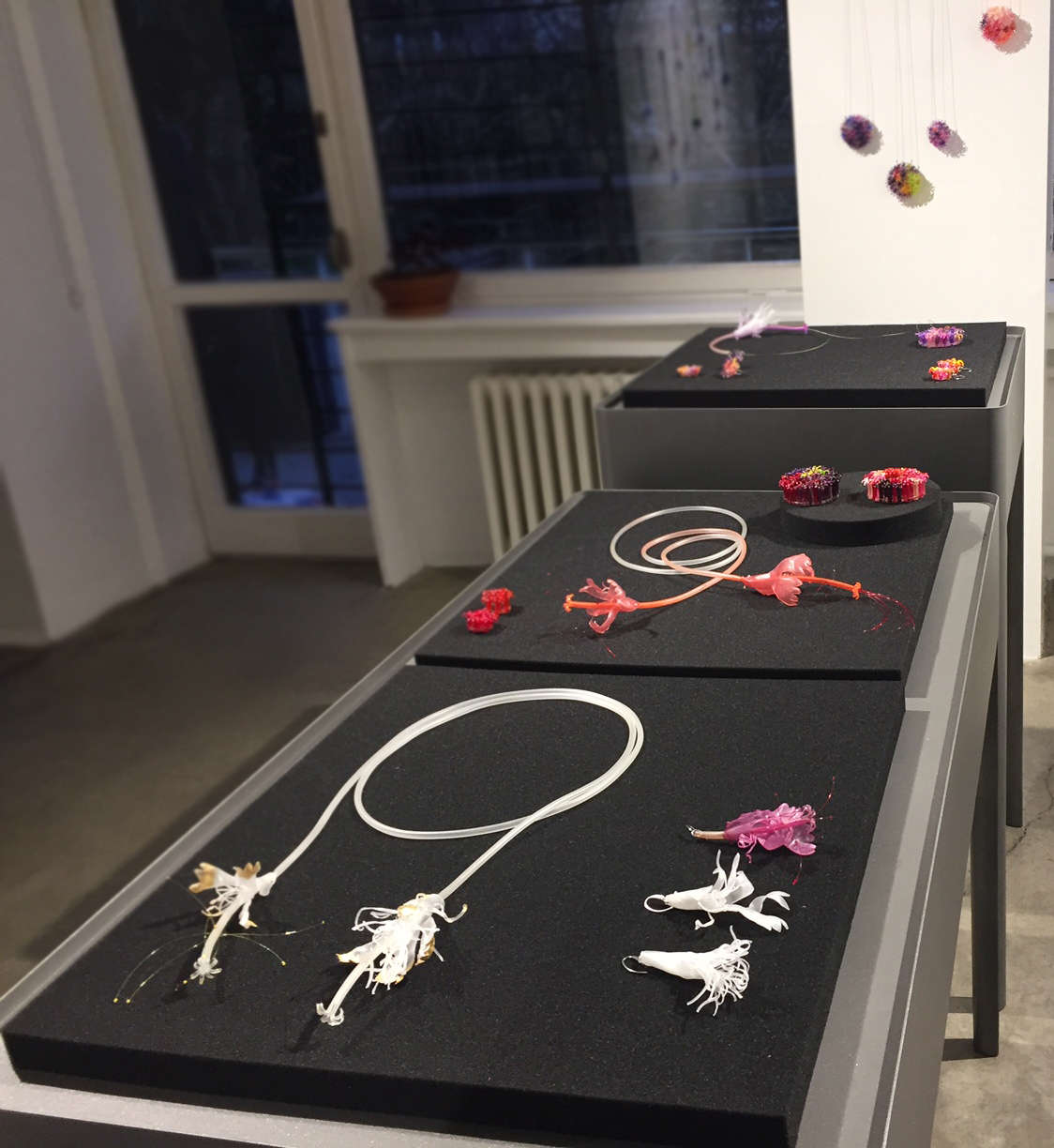
tertium non data translated from latin means: the third is not given. it is an alchemic term which refers to the process of combining two disparate elements to create a new, third element. the process of transformation is a mystery - an unknown... Things made by GULNUR OZDAGLAR
Google+ Followers
Sunday, April 28, 2013
Sunday, April 21, 2013
Wednesday, April 17, 2013
Thursday, March 28, 2013
Monday, March 25, 2013
Sunday, March 24, 2013
Thursday, February 07, 2013
Tuesday, February 05, 2013
Friday, January 04, 2013
Tuesday, December 18, 2012
Sunday, November 04, 2012
Ocean Travelers
Plastics Exhibit in the Ocean Travelers Gallery
Stroll through our gallery in the Open Sea wing and you’ll discover spectacular art installations and photo collages—many created from everyday plastic. Our latest art exhibit features work from artists all over the world who dedicate their careers to the environment. It tells the story of how plastic marine debris impacts open-ocean animals like Laysan albatross seabirds, leatherback sea turtles and marine mammals, such as humpback whales.

Gülnur Özdağlar
Jelly PET Bowls | 2011
Turkish artist Gülnur Özdağlar believes the solution to our accumulation of plastic is "upcycling," not recycling. Gülnur's background in architecture combined with her artistic vision enable her to transform ordinary materials into works of art. Her aim is to instill in discarded plastic materials a higher aesthetic value by designing and creating objects of beauty. Look closely—these delicate bowls resemble ocean jellies.


The Life of Plastic
From toys and disposable lighters to bottles, bags and straws, most of the trash in our oceans is plastic. It travels through our waterways and out to sea where it breaks down into tiny bits, but never completely disappears. Ultimately, this plastic collects in the rich waters of the North Pacific Gyre—the largest landfill in the world, known as the Great Pacific Garbage Patch, and a feeding ground for many animals.
Animals & Plastic
Seabirds, sea turtles and marine mammals journey across the open ocean and encounter plastic debris—many mistake it for food or become entangled in it. Laysan albatross eat bottle caps and lighters, then feed that “food” to their chicks; leatherback sea turtles confuse plastic bags for jellies, a favorite food; and migrating humpback whales get tangled up in plastic ropes, lines and nets lost by commercial fishermen.Learn more
How We Can Help
Plastics that start out many miles from the ocean can still make their way out to sea through storm drains, rivers and sewers. But there are things we can do to help reduce our pollution. Simple changes like switching from plastic bags and bottles to reusable ones, recycling used plastic and using less plastic can have a positive impact on the health of our oceans and the animals that live there. While it’s not possible to collect all the trash floating in the open ocean, we can help to stem our plastic tide.
Subscribe to:
Posts (Atom)